Trezor.io/start: A Practical Guide to Setting Up Your Trezor Wallet
Setting up a hardware wallet for the first time involves more than connecting a device and opening an application. Users need to understand how the physical wallet works with Trezor Suite, how the wallet backup is created, and how to verify cryptocurrency transactions before approving them.
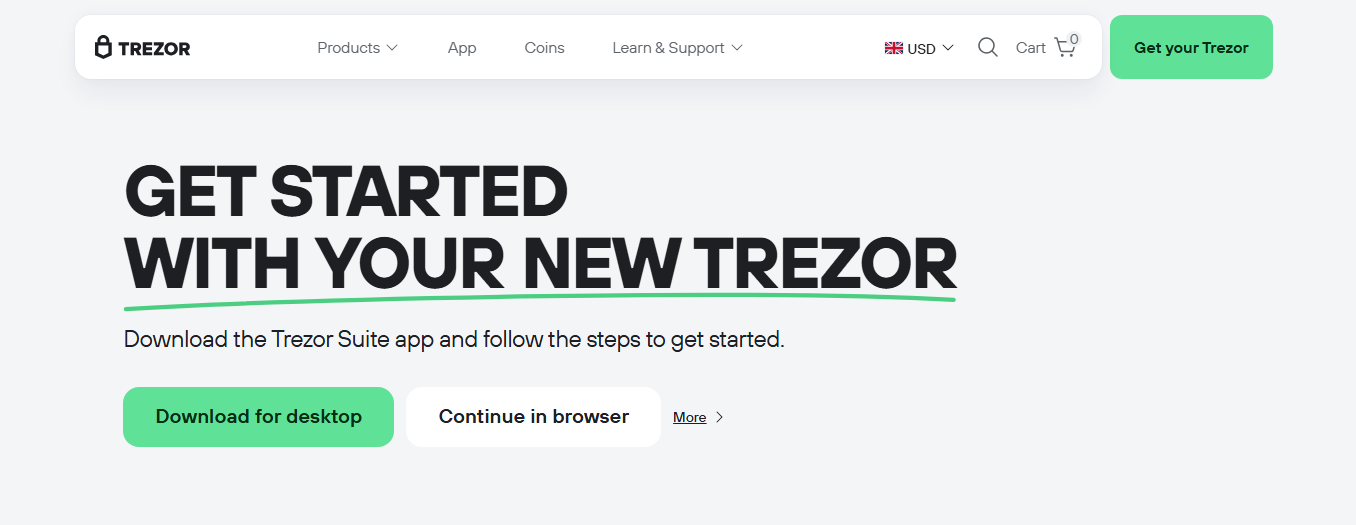
Trezor.io/start is the official starting page for getting a new Trezor hardware wallet ready for use. The current page directs users to download Trezor Suite, install the application when using a desktop computer, connect the device, and follow the setup instructions. Trezor says the basic setup takes about 15 minutes.
What Is Trezor.io/start?
Trezor.io/start is designed to guide users through the initial onboarding process for a Trezor hardware wallet.
The current setup flow begins with Trezor Suite. Users can download the desktop application for the best experience or continue with the browser-based version. After connecting the hardware wallet, Trezor Suite guides users through the relevant configuration steps.
Starting from the official page is also an important security habit because cryptocurrency users can encounter websites that imitate legitimate wallet services.
Understanding Trezor Hardware Wallets
A Trezor hardware wallet works together with Trezor Suite rather than functioning as a traditional online account.
Trezor Suite provides the software interface for managing supported cryptocurrencies, accounts, portfolio information, and transactions. The physical Trezor device provides the hardware-based security layer used during important wallet operations.
This separation means that users should pay attention to both the computer or phone screen and the information displayed directly on the Trezor device.
Preparing for Trezor Setup
Before opening Trezor.io/start, prepare your Trezor device, the appropriate connection cable, and a compatible computer or mobile device.
For desktop setup, Trezor Suite supports Windows, macOS, and Linux. Trezor recommends downloading the desktop application only from its official website or official GitHub repository.
You should also have the wallet backup cards and a pen available if your device setup requires them. Trezor's device guides recommend having these materials ready before beginning.
Choose a private environment where other people cannot see sensitive wallet information.
Downloading Trezor Suite
Trezor Suite is the primary software used to manage a Trezor hardware wallet.
The desktop application is available for Windows, macOS, and Linux. Trezor specifically warns users about phishing sites that may appear in search results and recommends trusting downloads from the official Trezor website or GitHub repository.
Do not download Trezor Suite from an unfamiliar website simply because the page uses Trezor branding.
Checking the source before installing wallet software is one of the simplest security precautions a user can take.
Installing the Desktop Application
After downloading the correct version of Trezor Suite, install it according to the instructions for your operating system.
For example, Trezor's current Windows documentation lists Windows 10 64-bit or newer as a minimum requirement and provides instructions for downloading and installing the application.
Once installation is complete, open Trezor Suite and prepare to connect the hardware wallet.
The available screens and options can change with software updates, so follow the current instructions displayed by the application.
Connecting and Verifying Your Trezor
Connect the hardware wallet using the appropriate cable or connection method.
Trezor Suite will guide you through a device-security check. Current Trezor device guides describe authenticity checks as part of the setup process. For the Trezor Safe 5, for example, Suite performs a cryptographic authenticity check after firmware installation.
If something about the device or setup process looks unusual, stop before continuing and consult official Trezor documentation.
Installing Firmware
Depending on the device, firmware installation can be part of the initial setup.
Trezor explains that some devices ship without firmware and that Trezor Suite guides users through installing the appropriate firmware. Current setup documentation also provides options such as Standard or Bitcoin-only firmware on supported devices.
Only install firmware through the legitimate Trezor setup process.
Avoid firmware files provided by unknown websites, messages, or third-party services.
Creating a New Wallet
After the device has been prepared, Trezor Suite can guide you through creating a new wallet or recovering an existing one.
For a new wallet, select the option to create a wallet and follow the instructions shown by Suite and the physical Trezor device.
Different Trezor models can use different backup formats. For example, Trezor's current Safe 7 documentation describes a default 20-word Single-share Backup, while the Model T documentation describes a 12-word wallet backup.
For this reason, users should follow the instructions displayed for their particular device rather than assuming that every Trezor wallet uses the same backup format.
Protecting Your Wallet Backup
Your wallet backup is one of the most important pieces of information created during setup.
Write the backup down exactly as instructed by the Trezor device and keep it private and secure.
Do not photograph the backup, save it in ordinary computer files, upload it to cloud storage, or send it through email or messaging applications.
Never provide your wallet backup to someone claiming to be Trezor support.
A recovery backup should be treated as confidential information that needs both physical protection and careful handling.
Setting Up Device Security
Depending on your Trezor model, the setup process can include security features designed to protect access to the device.
Follow the current instructions displayed in Trezor Suite and on the hardware wallet.
Keep device credentials private and avoid sharing them with other people.
Remember that device security and wallet-backup security are separate responsibilities. Protecting one does not eliminate the need to protect the other.
Using Trezor Suite After Setup
Once setup is complete, Trezor Suite provides the main interface for everyday wallet management.
The Suite environment can be used to manage accounts, view supported cryptocurrency balances, review transaction history, and prepare transfers.
Trezor's Suite documentation describes features for managing accounts, device settings, firmware, privacy options, and other wallet functions.
The available features depend on the device, software version, and supported cryptocurrency.
Managing Cryptocurrency Accounts
Trezor Suite allows users to organize supported cryptocurrencies into accounts.
Before creating or selecting an account, check the cryptocurrency and network carefully.
Different networks can use different addresses and transaction systems. Selecting the correct account before receiving or sending funds can help prevent avoidable mistakes.
Keeping accounts organized is particularly useful for users who manage multiple cryptocurrencies.
Receiving Cryptocurrency
To receive cryptocurrency, select the appropriate account and generate a receiving address.
Before sharing the address, verify that it belongs to the intended account and corresponds to the correct cryptocurrency network.
When the available workflow provides address verification through the Trezor device, review the information displayed on the physical wallet.
For larger transfers, take additional time to confirm the address before giving it to another person or service.
Sending Cryptocurrency Securely
Sending cryptocurrency requires careful attention because blockchain transactions may not be reversible after confirmation.
Before approving a transaction, review the recipient address, cryptocurrency, network, amount, and applicable fees.
Compare the transaction details displayed on the Trezor device with what you intended to send.
If the physical device displays information that does not match your intended transaction, do not approve it.
This verification step is an important part of using a hardware wallet responsibly.
Avoiding Fake Trezor Websites
Phishing websites can imitate legitimate Trezor pages and attempt to persuade users to download fake software or disclose confidential wallet information.
Trezor specifically warns users that phishing sites can appear in search results and recommends downloading Trezor Suite only from official Trezor sources.
Be cautious with links received through email, social media, advertisements, or private messages.
If a website asks for your wallet backup, PIN, or other confidential information, stop and verify the request through official Trezor resources.
Using Trezor Suite in a Browser
Trezor provides both desktop and web versions of Trezor Suite.
The official Trezor.io/start page currently gives users the option to download the desktop application or continue in a browser.
The browser version can be useful when a user does not want to install the desktop application, but the same security principles apply.
Always make sure you are using the legitimate Trezor website before connecting a device or entering any information.
Keeping Trezor Suite Updated
Wallet software should be maintained after the initial setup.
Trezor provides dedicated documentation for installing Suite, updating firmware, configuring settings, and verifying software downloads.
Only obtain updates through legitimate Trezor channels.
Avoid installing update files sent through unsolicited messages or downloaded from unfamiliar websites.
Common Trezor Setup Mistakes
Several mistakes can create unnecessary risks during the setup process.
These include downloading Trezor Suite from an unofficial source, recording the wallet backup incorrectly, storing the backup digitally, selecting the wrong cryptocurrency network, or approving a transaction without checking the hardware device.
Another mistake is responding to someone who unexpectedly claims to be Trezor support.
A legitimate support process should not require users to casually disclose their wallet backup.
Building Better Trezor Security Habits
The Trezor.io/start process is only the beginning of responsible wallet management.
Use genuine Trezor Suite software, keep your hardware wallet secure, protect the wallet backup, and verify important transaction information on the physical device.
Before receiving cryptocurrency, confirm the account, asset, network, and address.
Before sending funds, carefully review the recipient, amount, network, and transaction fee.
If anything appears unusual, stop and investigate rather than approving the operation automatically.
Final Thoughts
Trezor.io/start provides a direct starting point for setting up a Trezor hardware wallet. The current process centers on Trezor Suite, device connection and verification, firmware installation when required, wallet creation or recovery, and preparation for managing cryptocurrency.
A secure wallet setup depends on both the technology and the user's habits. Download software from legitimate Trezor sources, protect your wallet backup, keep your hardware device secure, verify account and network information, and carefully review transactions before approving them.
By following each stage carefully, users can establish a more organized foundation for managing cryptocurrency with a Trezor hardware wallet.