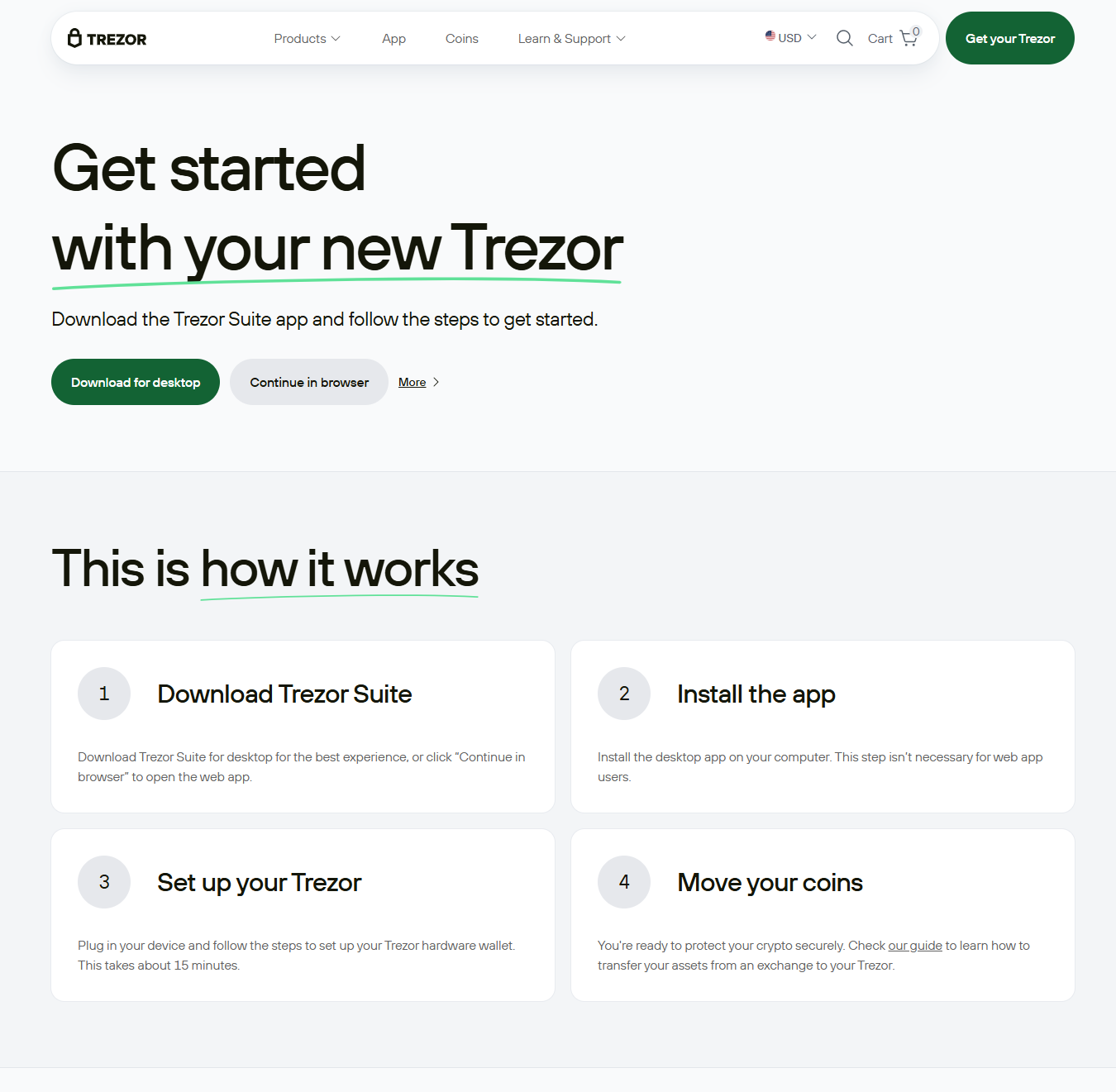
Trezor.io/start: A Complete Guide to Trezor Wallet Setup and Security
Getting started with a hardware wallet is an important step for anyone who wants to manage cryptocurrency with greater control over wallet security. Unlike a software-only wallet, a hardware wallet uses a dedicated physical device to help protect sensitive credentials and authorize important transactions. For new Trezor users, Trezor.io/start can serve as a useful starting point for learning how to prepare, configure, and use a Trezor wallet.
The setup process may initially appear unfamiliar, especially when concepts such as recovery backups, wallet addresses, device protection, and transaction verification are new. However, understanding the purpose of each stage makes the process much easier.
This guide explains the key parts of setting up a Trezor hardware wallet and developing good security habits for long-term cryptocurrency management.
What Is Trezor.io/start?
Trezor.io/start is associated with the initial setup process for Trezor hardware wallets. It provides a starting point for users who are preparing a Trezor device and need guidance on connecting the hardware wallet with compatible software.
The setup process can differ depending on the Trezor model and the software version being used. For that reason, users should follow the instructions appropriate to their particular device rather than relying on old tutorials or unofficial guides.
The most important principle is to use trusted Trezor resources throughout the setup process.
Why Use a Trezor Hardware Wallet?
A hardware wallet provides a dedicated physical device for managing sensitive cryptocurrency credentials. Instead of depending entirely on a computer or smartphone, users can keep important authorization activities associated with a separate device.
The wallet software provides a convenient interface for viewing accounts, checking balances, and preparing transactions. The hardware wallet adds a separate layer where important actions can be reviewed and confirmed.
This approach can be useful for people who want greater control over their cryptocurrency without relying solely on the security of their everyday computer.
Preparing for Trezor Setup
Before beginning the Trezor.io/start process, choose a trusted computer and a private environment. Avoid setting up a wallet while someone else can see your device or sensitive recovery information.
Make sure you obtain wallet software from a legitimate Trezor source. Avoid downloading applications from unknown websites, advertisements, file-sharing pages, or links received through unsolicited messages.
It is also useful to understand the importance of the recovery backup before starting. Knowing how sensitive this information is will help you handle it appropriately during initialization.
Connecting Your Trezor Device
Once the required software is ready, connect the Trezor hardware wallet according to the instructions for your device.
The hardware wallet may display instructions or security information directly on its screen. Read these prompts carefully and confirm actions only when you understand what you are approving.
The physical device is particularly important when reviewing sensitive information. If the computer displays something unexpected, compare it with the information shown on the Trezor device before continuing.
Do not rush through this stage. A careful initial setup creates a stronger foundation for future wallet use.
Creating a Recovery Backup
A recovery backup is one of the most important security elements associated with a self-custody wallet. It may allow access to wallet accounts to be restored if the original hardware device becomes unavailable.
Because of this, recovery information should be treated as highly confidential.
Keep the backup in a secure location and follow the storage recommendations provided during setup. Never send recovery information through email or messaging applications. Avoid taking photographs of it or storing it in cloud services.
Most importantly, never share the recovery information with another person.
If someone contacts you and claims they need your recovery words to verify, unlock, synchronize, or restore your wallet, treat the request as suspicious.
Using Trezor Suite
Trezor Suite provides the software environment used to interact with compatible Trezor hardware wallets. Through the application, users can manage supported accounts, view balances, review transaction history, and prepare cryptocurrency transfers.
The software and hardware serve different purposes. Trezor Suite provides the interface, while the hardware wallet remains an important part of the security and transaction-approval process.
This distinction is useful for beginners because a hardware wallet does not work exactly like a conventional online banking account.
Managing Your Cryptocurrency Accounts
After completing the initial setup, users can begin organizing supported cryptocurrency accounts.
Before selecting an account for a transaction, check that the correct asset and network are being used. Some cryptocurrency networks can have similar names, and choosing an incompatible network can cause serious problems.
Regularly reviewing account activity can also help users become familiar with their wallet and notice transactions they do not recognize.
Keeping accounts organized makes routine wallet management easier, particularly for users who hold several different digital assets.
Receiving Cryptocurrency Safely
Receiving cryptocurrency normally involves generating a receiving address and providing it to the sender.
Before sharing an address, verify that it belongs to the intended account. When available, use the hardware wallet to verify important address information.
Be especially careful when receiving larger amounts. A small mistake in an address or network can create difficulties because blockchain transactions are generally not reversible.
If you are unfamiliar with the process, understanding how addresses and networks work before transferring significant funds can be helpful.
Sending Cryptocurrency Securely
Sending digital assets requires careful verification. Before confirming a transaction, check the recipient address, cryptocurrency, network, amount, and transaction fee.
The information displayed on the hardware wallet should be reviewed before approving the transaction. Do not rely solely on what appears on the computer screen.
If the information on the device differs from what you intended to send, stop the transaction and investigate.
A few seconds of careful verification can help prevent mistakes that could otherwise be difficult to correct.
Avoiding Fake Trezor Websites
Cryptocurrency users should remain alert to phishing websites and fraudulent applications. Attackers can create pages that look similar to legitimate wallet services and use familiar terms such as Trezor Suite, wallet verification, or account recovery.
A fake website may attempt to convince users to enter confidential information.
Never provide your recovery backup to a website simply because it claims that the information is required for verification or technical support.
Be cautious with unexpected emails, messages, advertisements, and social media posts. Instead of following an unfamiliar wallet link, independently navigate to the trusted Trezor website.
Keeping Your Wallet Software Updated
Maintaining your wallet environment is another part of good security practice. Software updates may provide compatibility improvements, new features, or security-related changes.
Only install updates from trusted sources. Do not accept an update file simply because an unexpected pop-up claims that your wallet is at risk.
When performing important device or software maintenance, carefully follow the instructions applicable to your Trezor model.
Your recovery backup should also remain safely protected throughout the process.
Common Trezor Setup Mistakes
New users sometimes make avoidable mistakes during hardware wallet setup.
Downloading wallet software from an unofficial website is one example. Storing recovery information digitally is another. Users should also avoid sharing sensitive wallet information with supposed support representatives.
Other mistakes include approving transactions without checking the hardware device, using an incorrect network, or rushing through security prompts.
The safest approach is to slow down whenever an action involves recovery information, wallet addresses, or transaction authorization.
Building Long-Term Wallet Security
Completing the Trezor.io/start setup is only the beginning of responsible cryptocurrency management.
Keep the hardware wallet physically secure and store recovery information in a protected location. Use trusted wallet software and regularly review your account activity.
Before sending cryptocurrency, verify every important transaction detail. Before receiving funds, check the destination address and network.
It is also helpful to learn basic cryptocurrency concepts. Understanding blockchain confirmations, wallet addresses, transaction fees, and network differences makes it easier to identify unusual situations.
Final Thoughts
Trezor.io/start provides a practical starting point for users who are beginning their Trezor hardware wallet setup. The process introduces several important aspects of cryptocurrency self-custody, including device configuration, recovery protection, account management, transaction verification, and phishing awareness.
A hardware wallet can provide an additional security layer, but safe cryptocurrency management also depends on the user's everyday habits.
By using trusted software, keeping recovery information private, verifying wallet addresses, checking transactions on the hardware device, and remaining cautious about suspicious websites, users can create a more secure and organized approach to managing their digital assets with a Trezor wallet.