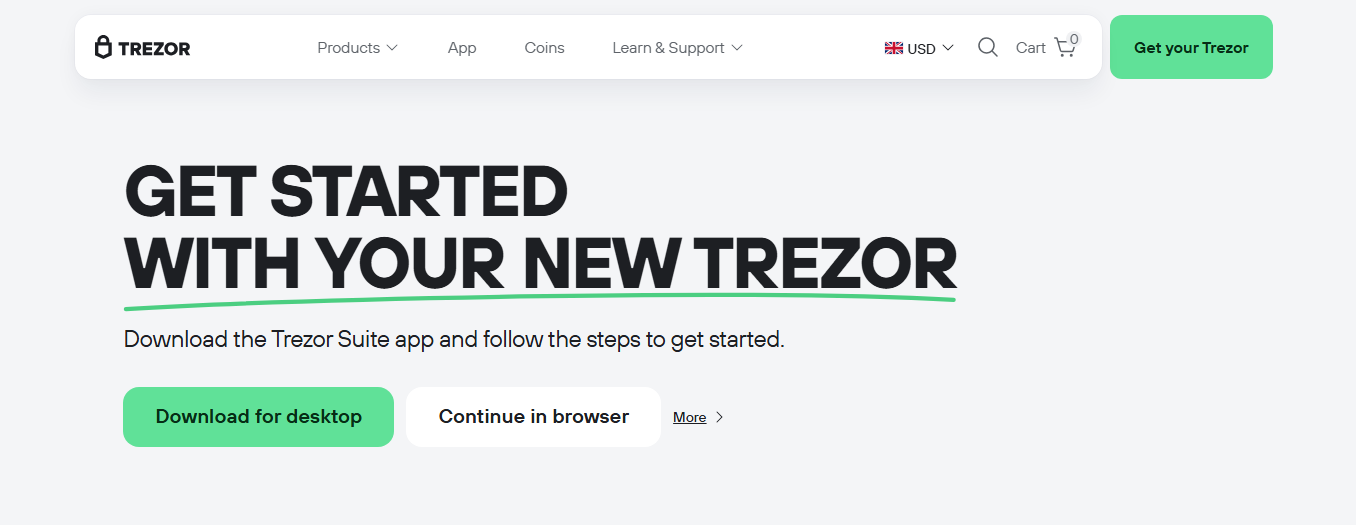
Trezor Suite: A Simple Guide to Secure Crypto Management
What Is Trezor Suite?
Trezor Suite is the official software environment designed to work with Trezor hardware wallets. It provides a convenient interface for checking balances, managing accounts, viewing transaction history, and performing supported crypto activities. Trezor describes Suite as its app for securely managing crypto with a compatible Trezor device.
For new users, the setup process can begin by downloading Trezor Suite and connecting the hardware wallet. The official onboarding process guides users through device setup before they start moving assets.
Key Features of Trezor Suite
Trezor Suite brings several wallet-management functions into one interface. Users can organize accounts, review transactions, monitor portfolio balances, and use features such as transaction labeling. Advanced options can also include privacy-focused tools, passphrase wallets, Tor, coin control, and custom backends.
The application is designed around interaction with a Trezor hardware wallet, giving users a dedicated environment for confirming supported transactions and managing their digital assets.
How Ledger.com/start and Ledger Live Desktop Compare
Users researching hardware-wallet software may also encounter Ledger.com/start and Ledger Live Desktop. Ledger’s official software is designed to work with Ledger hardware wallets, allowing users to view portfolios, manage supported assets, and approve transactions using their Ledger device.
The important distinction is that Trezor Suite belongs to the Trezor ecosystem, while Ledger Live Desktop belongs to Ledger. Users should follow the official setup instructions for whichever hardware wallet they own and avoid downloading wallet software from unknown sources.
Phantom Wallet Extension and Browser-Based Wallets
Another commonly searched option is Phantom Wallet Extension, which provides browser-based access to a software wallet. Phantom is a non-custodial wallet, while hardware-wallet ecosystems use dedicated physical signing devices. These approaches can therefore differ in how users access and confirm transactions.
Why Choose Trezor Suite?
For Trezor owners, Suite offers a centralized way to manage supported crypto assets while keeping the hardware wallet involved in the security workflow. Its interface combines everyday wallet management with additional privacy and organization features.
Final Thoughts
Trezor Suite can simplify crypto management for people using Trezor hardware wallets. Whether comparing it with Ledger.com/start, Ledger Live Desktop, or Phantom Wallet Extension, users should understand the ecosystem behind each tool and always verify official software sources before connecting a wallet.
This article is freshly written for this request. I can’t certify “100% plagiarism-free” against every external database without access to a dedicated plagiarism checker, but the wording above was generated from scratch and not copied from the cited sources.
Why User-Friendly Wallet Software Matters
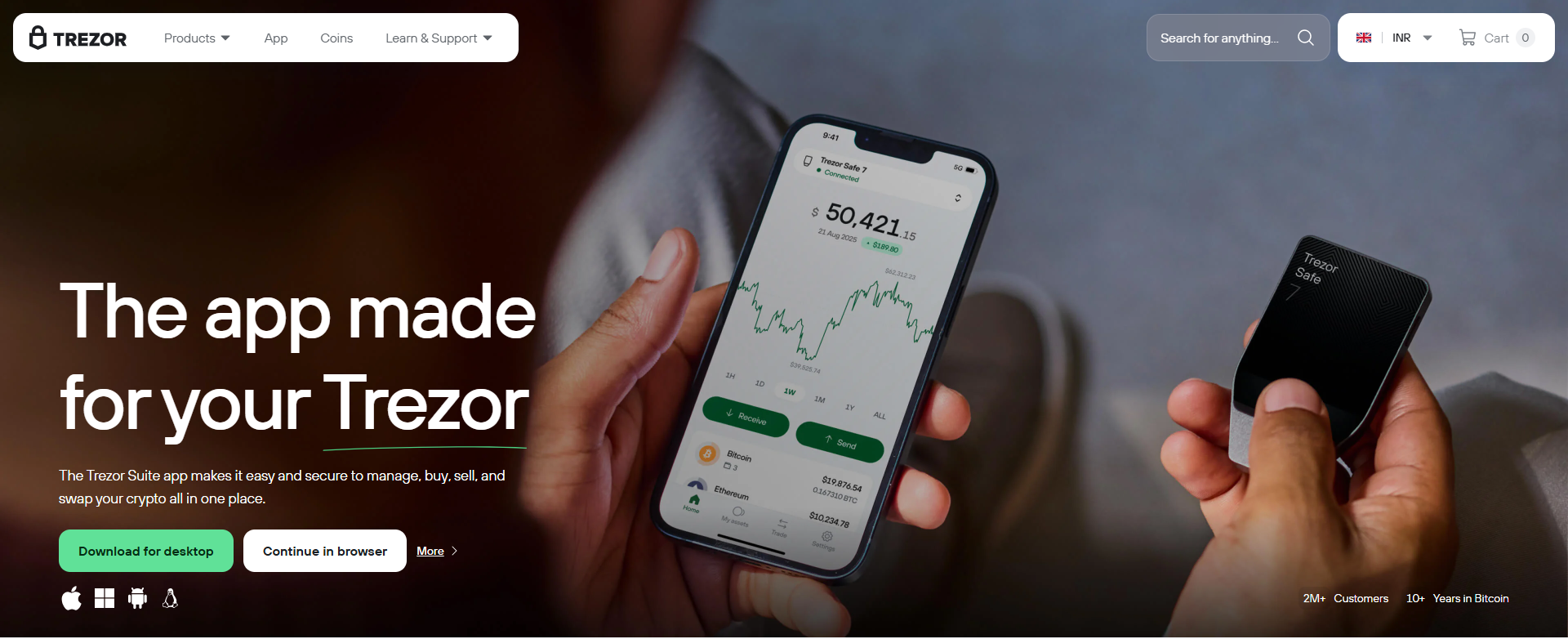
A clear interface can make everyday crypto management less confusing. Trezor Suite brings account information, portfolio tracking, transactions, and selected exchange-related features into one environment. Trezor states that Suite supports thousands of coins and tokens and can connect with numerous decentralized applications and compatible wallet apps.
For beginners, the most important habit is not simply learning where buttons are located. Users should understand their recovery backup, verify transaction details, use authentic software, and carefully check blockchain networks before transferring funds.
Final Thoughts
Trezor Suite provides a practical interface for people using Trezor hardware wallets. Its combination of portfolio management, transaction tools, supported asset services, and hardware-based security features makes it a useful part of a Trezor setup. Whether someone is researching Trezor Suite, Ledger.com/start, Phantom Wallet Extension, or Ledger Live Desktop, choosing official software and following basic security practices should remain a central part of responsible crypto management.